
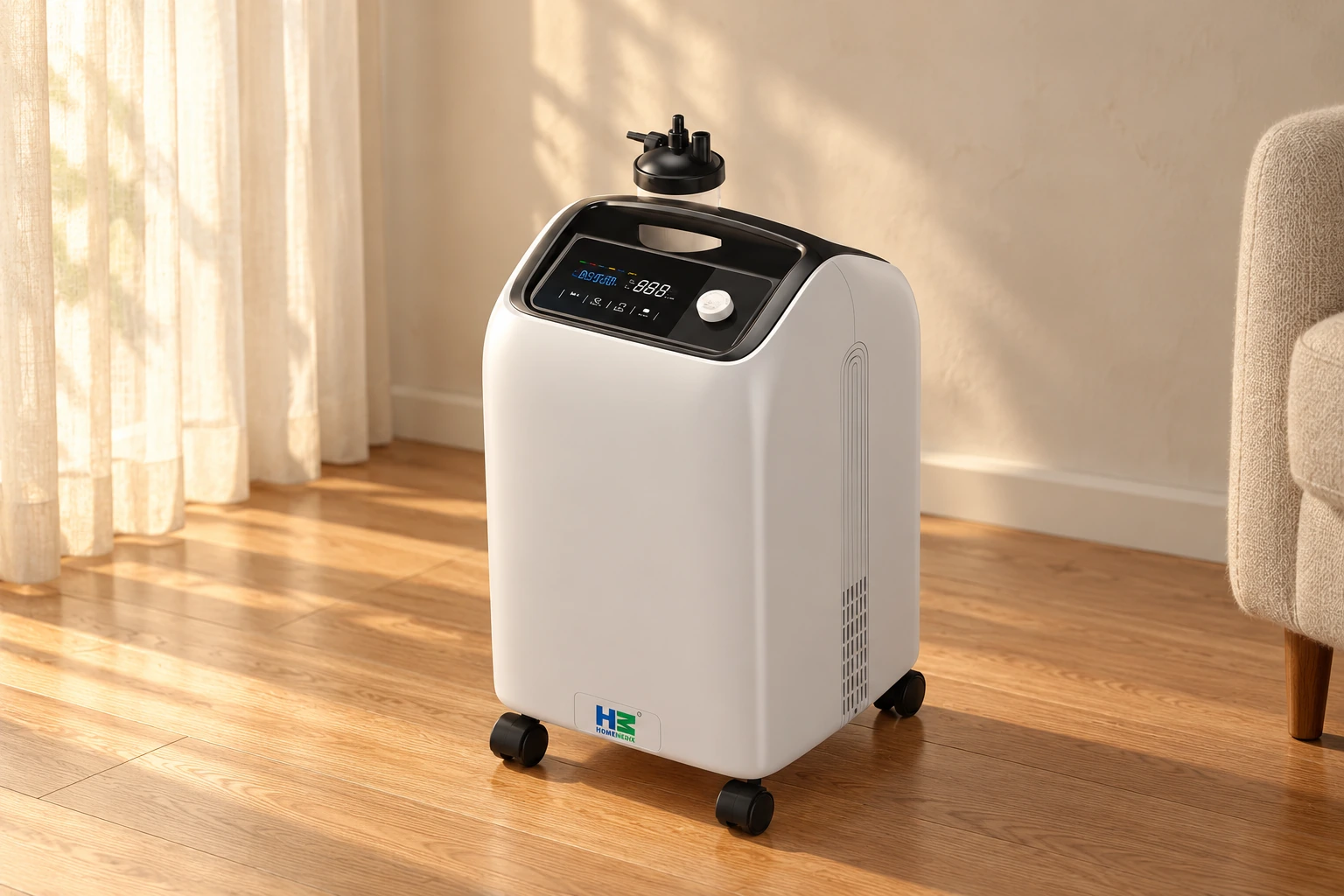
Supplemental oxygen provides additional oxygen when prescribed by a clinician. It is not a general remedy for breathlessness, and equipment should be selected around the prescribed therapy. This guide explains common devices and the practical questions to ask your care team and oxygen provider.
Which devices deliver supplemental oxygen?
An oxygen concentrator draws in air and supplies oxygen-enriched gas. A cylinder stores an oxygen supply and requires the appropriate regulator and delivery arrangement. Portable options have their own capacity and delivery characteristics; do not assume a portable device is equivalent to a stationary concentrator.
Oxygen may be delivered through nasal cannulas or a mask. Confirm the prescribed accessory and its compatibility with the device. CPAP and BPAP are positive airway pressure devices, not replacements for an oxygen concentrator. If oxygen is also needed with another therapy, have the clinical team and provider confirm the complete setup.
What to confirm before installation
Ask your clinician to confirm the prescribed flow, delivery method and hours of use. Do not choose or change a flow setting using an online guide. Ask your equipment provider to match the prescription to the exact model and demonstrate operation, placement, alarms and accessories.
Confirm power requirements, service contacts, cleaning instructions and a backup plan for a power cut or equipment fault. Your provider should explain the appropriate arrangement for your prescribed needs. Keep tubing free of kinks or obstructions and follow the model’s manual for care and maintenance.
Home oxygen safety
Oxygen makes materials burn more readily. Do not smoke or allow smoking near oxygen equipment. Keep it away from flames, heat sources, flammable liquids and aerosols. Avoid petroleum- or oil-based products around oxygen; ask your care team about a suitable alternative when needed.
Use the equipment in a ventilated space and follow its placement instructions. Ask the provider how to secure and store cylinders safely. Keep the supplier’s number and the agreed backup instructions where caregivers can find them.
If your condition worsens or you have an urgent medical concern, contact your clinician or local emergency service. Do not delay medical care while troubleshooting equipment or change treatment without clinical advice.
Choosing and maintaining a concentrator
For a Home Medix product enquiry, share the prescribed requirements and intended location with your dealer or the Home Medix team. Ask for the current manual, warranty terms, demonstration and service arrangements. Equipment specifications support a buying decision; they do not replace a prescription.