
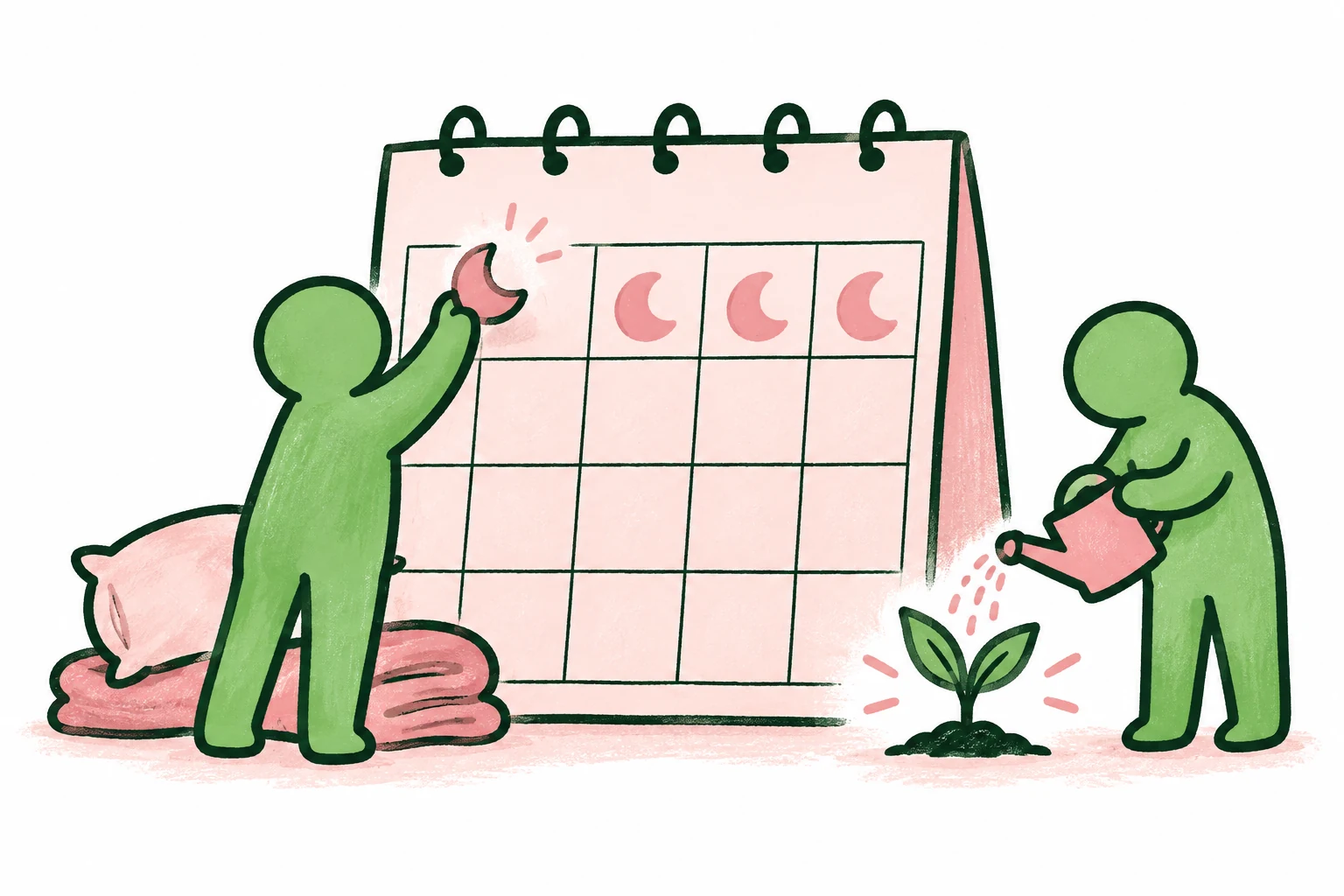
CPAP treats obstructive sleep apnea while it is being worn and delivering effective pressure. The practical aim is use throughout sleep, including naps when advised by your care team. Reaching four hours and then taking the mask off does not protect the remaining hours of sleep.
What the four-hour threshold means
Some reports show whether use reached four hours on a specified proportion of nights. The often-quoted four-hours-on-70%-of-nights rule is associated with a US coverage criterion. It is an administrative definition, not a biological boundary at which treatment suddenly starts working, and it is not automatically an Indian insurer's rule.
Benefits and treatment needs vary. Partial use can provide some benefit, but a report marked “compliant” does not establish that every sleep period is covered or that symptoms are resolved. Ask the clinician what a useful treatment goal looks like for your sleep schedule.
Find the reason for short nights
If use ends early, record what happens before the mask comes off. Is it leaking when you turn over? Does your nose feel blocked? Are you waking with bloating, dryness or anxiety? Or are you removing the mask without remembering it?
A short note linked to the relevant night can be more useful than a monthly average. Ask for a mask-fit review and help with the patient comfort controls allowed in your instructions. Pressure or mode changes require clinical review. Do not interpret difficulty as a failure of motivation.
Make follow-up achievable
Before setup is complete, agree who will help with fit, who can review therapy data, and how to contact them. Remote review can be useful when available, but an app or continuous internet connection is not a prerequisite for good support; an in-person or memory-card review may be appropriate.
Ask about any fitting or exchange policy before buying accessories. Policies vary, and a particular trial window should not be assumed. If travel or electricity interruptions are the barrier, discuss compatible equipment and a realistic backup plan rather than accepting repeated untreated nights.
Judge progress fairly
Track use across your actual sleep period, comfort and daytime function, as well as the machine's estimates. Improvement may take time, and persistent sleepiness may have another cause. If you are too sleepy to drive safely, do not drive while waiting for the next appointment. Seek help early instead of quietly stopping treatment.
Related reading: Common CPAP side effects and practical next steps